The History of Lolita fashion
Fashion By Admin on Tue, Nov 18th, 2025 @ 11:19:45 PM 54 0
Lolita fashion is a Japanese street style that emerged in the 1980s, inspired by Victorian and Rococo aesthetics, and grew into a global subculture by the 1990s and 2000s. It emphasizes modesty, elegance, and cuteness, with distinctive substyles like Gothic, Sweet, and Classic Lolita. 🌸 Origins in Japan – 1980s Harajuku: Lolita fashion began in[READ MORE]
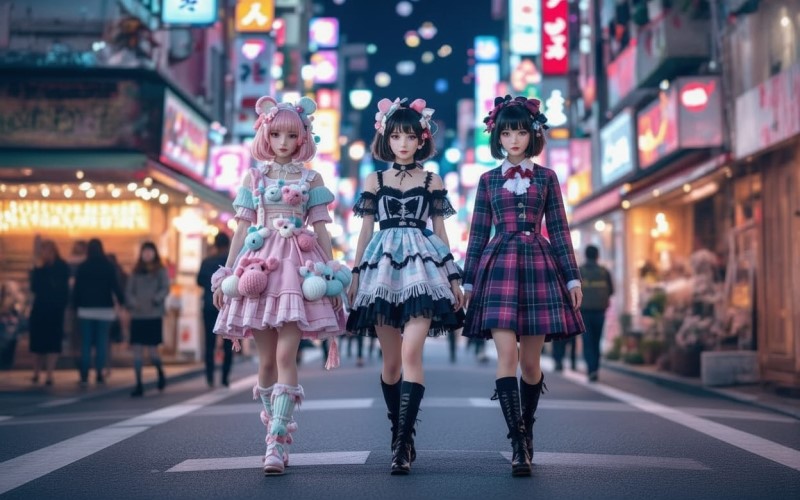
Lolita fashion is a Japanese street style that emerged in the 1980s, inspired by Victorian and Rococo aesthetics, and grew into a global subculture by the 1990s and 2000s. It emphasizes modesty, elegance, and cuteness, with distinctive substyles like Gothic, Sweet, and Classic Lolita.
🌸 Origins in Japan
– 1980s Harajuku: Lolita fashion began in Tokyo’s Harajuku district, where streets like Omotesando and Takeshita-dori were closed to traffic on Sundays, allowing youth to gather and experiment with fashion.
– Cultural roots: It drew inspiration from Victorian and Rococo clothing, blending European historical styles with Japan’s kawaii (cute) culture.
– Rebellion & escapism: Many young people adopted Lolita as a way to resist mainstream fashion trends and rigid social norms, creating a safe space for self-expression.
🎀 Evolution and Spread
– 1990s–2000s: Lolita fashion became a recognized subculture, with specialized brands like Angelic Pretty, Baby, The Stars Shine Bright, and Metamorphose temps de fille leading the movement.
– International growth: By the early 2000s, Lolita spread beyond Japan to Europe, the US, and other parts of Asia, supported by online communities and conventions.
– Decline in Japan: Since the 2010s, its popularity has waned domestically as alternative fashions lost mainstream appeal, though it remains vibrant internationally.
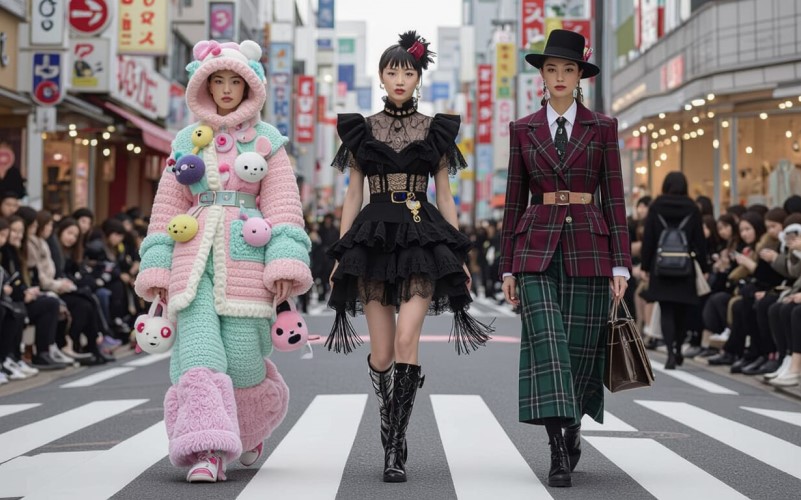 More official lolita fashion
👗 Key Styles
– Sweet Lolita: Pastel colors, lace, bows, and motifs like candy or toys.
– Gothic Lolita: Darker tones, crosses, and Victorian gothic influences.
– Classic Lolita: More mature, elegant designs inspired by historical fashion.
– Other substyles: Sailor, Country, Hime (princess), Punk, Wa (Japanese kimono-inspired), Qi (Chinese dress-inspired), and Steampunk Lolita.
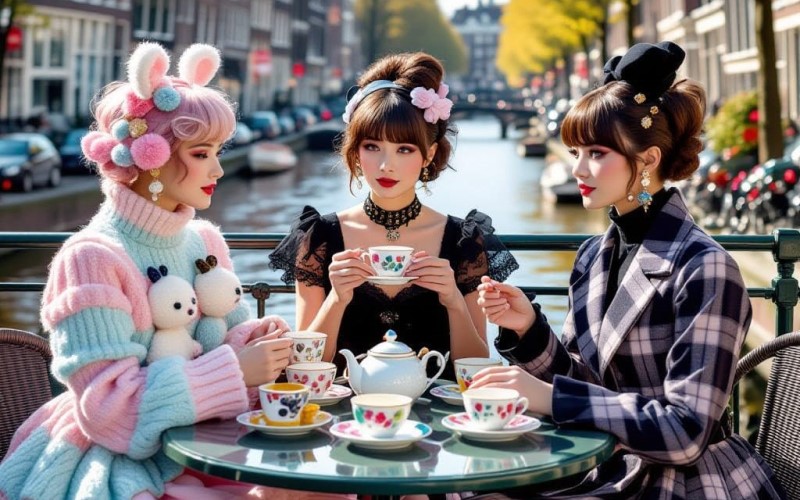 Drinking tea on a terrace in Amsterdam
🌍 Cultural Significance
– Identity & community: Lolita fashion is more than clothing—it’s a lifestyle and community centered on creativity, friendship, and resistance to societal pressures.
– Contrast with Nabokov’s novel: While the name “Lolita” comes from Vladimir Nabokov’s 1955 novel, the fashion has no connection to its themes of sexuality. Instead, it emphasizes innocence, modesty, and empowerment.
✨ In short, Lolita fashion is a Japanese-born subculture that transformed historical European aesthetics into a modern, kawaii-infused style of rebellion and self-expression. Though less mainstream today, it continues to thrive globally through dedicated communities, events, and fashion houses.
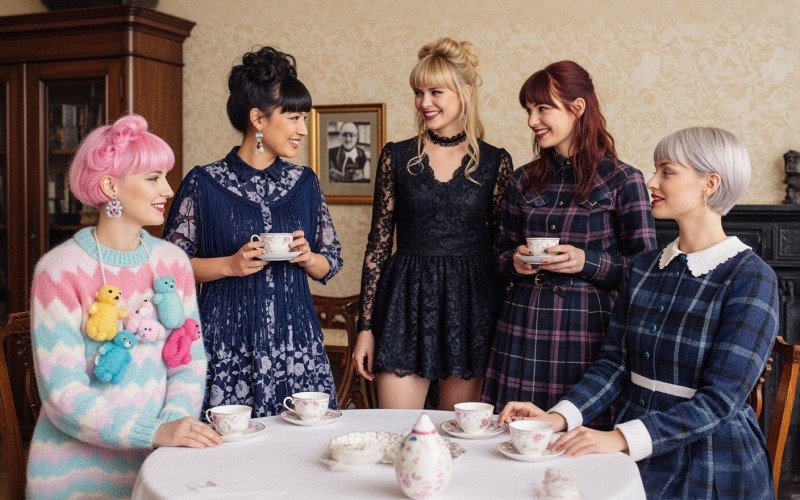 Tea afternoon in house in Amsterdam